Vaultwarden Hosting on Your Own VPS
A lightweight Vaultwarden instance fits on a $3 Nano VPS with Docker and a dedicated IPv4 for HTTPS.
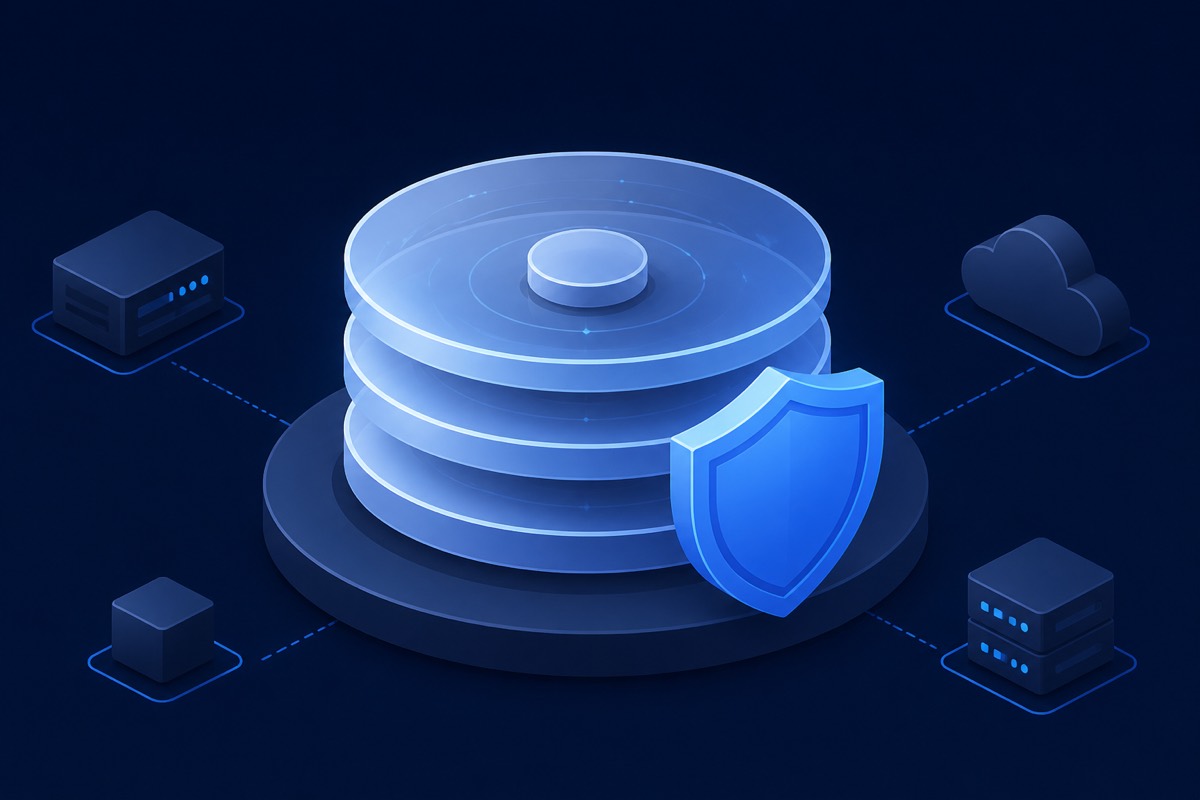
Vaultwarden is a Rust implementation of the Bitwarden server API. It uses a fraction of the RAM the official stack requires, which makes it ideal for a small VPS.
Why self-host passwords?
You control encryption keys, audit logs, and data residency. A dedicated IPv4 on every LayerOne plan lets you point vault.example.com at your instance without NAT headaches.
Plan sizing
Family or small-team Vaultwarden deployments rarely need more than LayerOne Nano ($3/mo, 1 GB RAM). Upgrade to Starter if you run additional services on the same VM.
Deploy with Docker
docker run -d --name vaultwarden \
  -v /vw-data/:/data/ \
  -p 127.0.0.1:8080:80 \
  vaultwarden/server:latest
Bind the container to localhost and proxy HTTPS with Caddy or Nginx. Set DOMAIN and admin token environment variables per the Vaultwarden wiki.
Security basics
Enable fail2ban, keep the OS patched, and restrict admin endpoints. DDoS protection is included on all plans, which matters when your vault hostname is public.
Backups
Copy the /vw-data directory regularly. Optional cluster backups are not off-site, so that copy is the restore path. Test a restore before you rely on it.
Billing
Hourly credit billing from the client dashboard keeps a personal vault affordable year-round. Add annual credit for a 20% effective discount if the server stays online continuously.
Recommended plan: LayerOne Nano. Compare plans on the pricing page.
Keep exploring
All articles →-
How to Self-Host Dawarich on a VPS
Run a private location-history timeline with Docker, PostGIS, Redis, background workers, HTTPS, and an off-server backup plan.
Read article -
How to Self-Host MicroBin on a VPS
Host a small paste and file-sharing service behind your own domain, require authentication, and keep its data off the public container port.
Read article -
How to Self-Host Gatus on a VPS
Build a lightweight status page from a YAML file, check HTTP and TCP services, and send alerts without running a full monitoring stack.
Read article